
Carrots Aren’t Enough: Top 10 Foods That Truly Protect Your Eyes
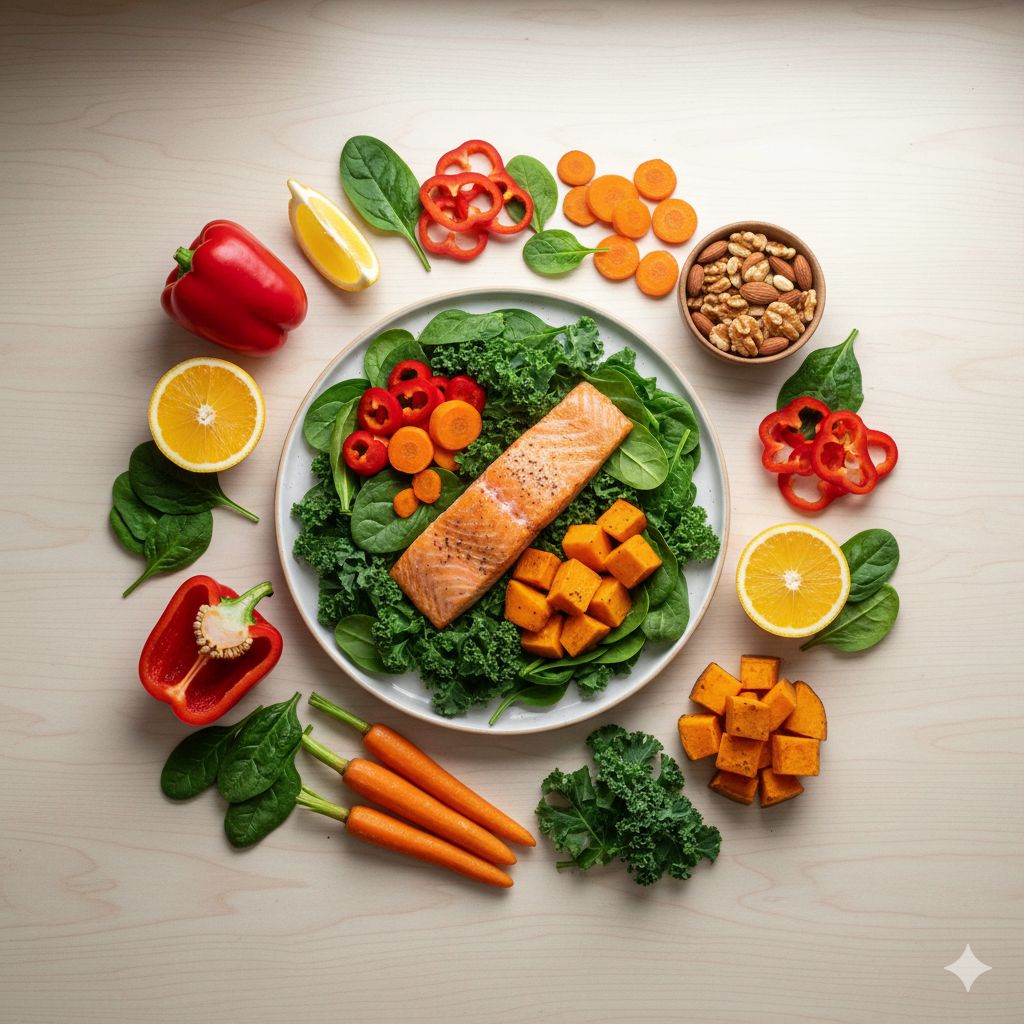
When it comes to eye health, most of us immediately think of carrots. While they do contain beta-carotene—a nutrient converted into vitamin A that supports good vision—relying solely on carrots isn’t enough to keep your eyes in top shape. Our eyes are complex organs that require a variety of nutrients to prevent conditions like macular degeneration, cataracts, and dry eyes.
The good news? A well-balanced diet can play a significant role in maintaining clear vision and overall eye health. Here are the top 10 foods that truly protect your eyes, backed by science and easy to incorporate into your daily meals.
1. Leafy Greens: Spinach, Kale, and Collard Greens
Leafy greens are rich in lutein and zeaxanthin, antioxidants that act like sunglasses for your eyes, protecting them from harmful light. Studies have shown that a diet high in these compounds may reduce the risk of age-related macular degeneration and cataracts.
Pro Tip: Add a handful of spinach or kale to your morning smoothie or salad for a vision-boosting punch.
2. Fatty Fish: Salmon, Tuna, and Mackerel
Omega-3 fatty acids found in fatty fish are essential for eye health. They help maintain the structural integrity of your retina and may reduce the risk of dry eyes and macular degeneration.
Serving Suggestion: Aim for at least two servings of fatty fish per week. A baked salmon with herbs is both delicious and eye-friendly.
3. Eggs
Eggs are a powerhouse of nutrients, including vitamin A, lutein, and zeaxanthin, all crucial for eye health. The yolk, in particular, contains these antioxidants that help protect against harmful light and improve visual function.
Tip: Enjoy boiled, scrambled, or poached eggs for breakfast or add them to salads for a nutrient boost.
4. Citrus Fruits: Oranges, Grapefruits, and Lemons
Vitamin C is a vital antioxidant that supports the blood vessels in the eyes and may lower the risk of cataracts. Citrus fruits are among the best sources of vitamin C.
Quick Idea: Start your day with a glass of fresh orange juice or a fruit salad with grapefruit segments.
5. Nuts and Seeds: Almonds, Walnuts, and Flaxseeds
Nuts and seeds are excellent sources of vitamin E, an antioxidant that helps protect eye cells from damage. Walnuts and flaxseeds also contain omega-3 fatty acids, adding an extra layer of protection.
Snack Tip: A handful of almonds or walnuts daily can improve both heart and eye health.
6. Carrots and Sweet Potatoes
Yes, carrots are still beneficial, but they are not the only food you need for healthy eyes. They are high in beta-carotene, which your body converts into vitamin A, crucial for night vision and overall eye function. Sweet potatoes are another excellent source.
Serving Idea: Roast sweet potato cubes with olive oil and herbs for a tasty, eye-healthy side dish.
7. Bell Peppers
Bell peppers, especially red and yellow varieties, are loaded with vitamin C and beta-carotene. These nutrients help prevent oxidative damage and inflammation in the eyes.
Tip: Add colorful bell peppers to stir-fries, salads, or as a crunchy snack with hummus.
8. Berries: Blueberries, Strawberries, and Blackberries
Berries are rich in antioxidants like anthocyanins, which can protect your eyes from oxidative stress and improve night vision.
Pro Tip: Add berries to your morning oatmeal or enjoy a small fruit bowl as a mid-day snack.
9. Legumes: Lentils, Chickpeas, and Kidney Beans
Legumes provide zinc, which plays a vital role in maintaining retinal health and proper functioning of eye enzymes. Zinc deficiency has been linked to poor night vision and an increased risk of macular degeneration.
Serving Idea: Include lentils or chickpeas in soups, salads, or stews for an easy nutrient boost.
10. Whole Grains: Quinoa, Brown Rice, and Oats
Whole grains have a low glycemic index, which can reduce the risk of age-related macular degeneration. They are also rich in vitamin E, zinc, and niacin, all of which contribute to healthy eyes.
Quick Tip: Swap white rice for quinoa or brown rice and add oats to your breakfast routine for a vision-friendly start to the day.
Final Thoughts
Maintaining eye health goes far beyond eating carrots. A diet rich in antioxidants, omega-3 fatty acids, vitamins, and minerals can significantly reduce the risk of eye diseases and improve overall vision. Incorporating these 10 foods into your daily meals is an easy, delicious, and effective way to take care of your eyes for the long run.
Remember: While diet plays a crucial role, regular eye check-ups, proper screen habits, and wearing sunglasses in bright sunlight are also essential for keeping your eyes healthy.


