
Plant-Based Diet Benefits: How It Improves Heart Health & Longevity
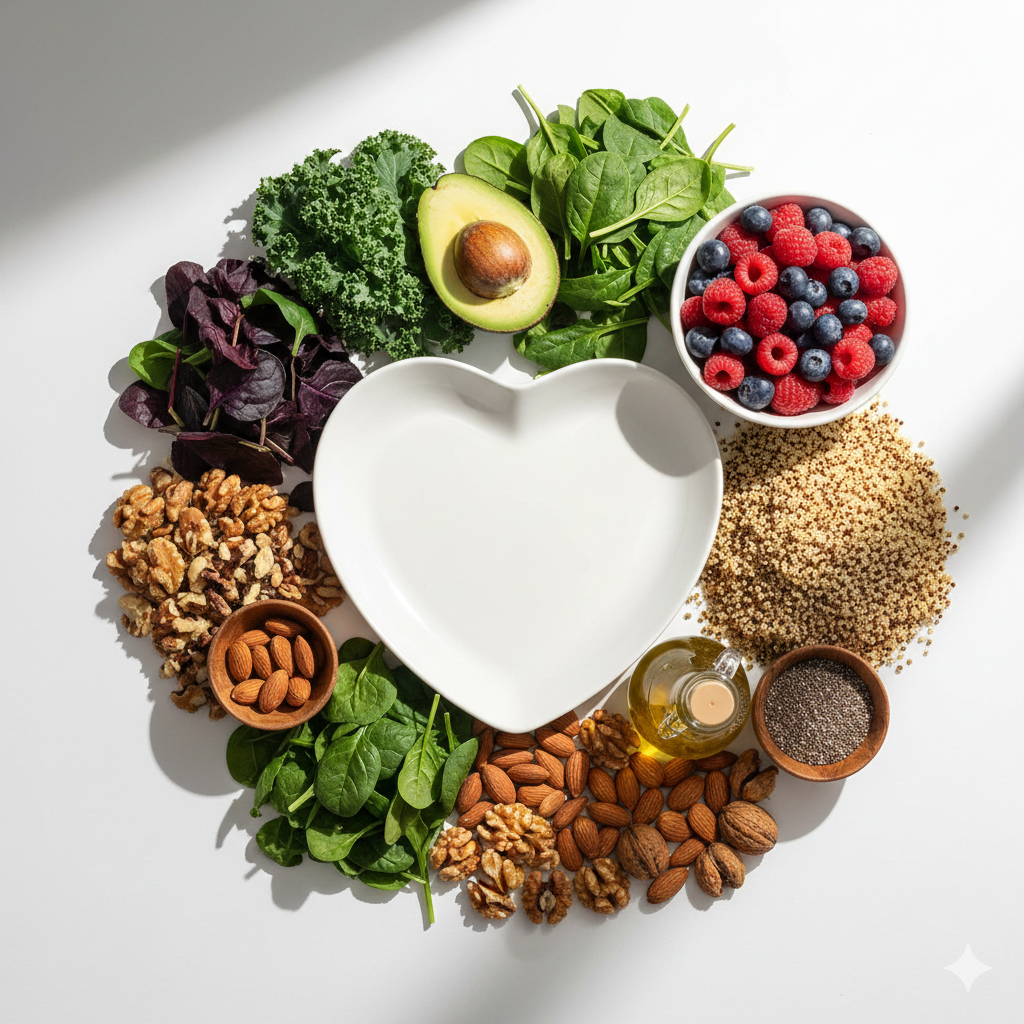
In recent years, the plant-based diet has moved from being a niche lifestyle choice to a global health movement. Celebrities, doctors, athletes, and everyday people are increasingly embracing plant-forward eating—and for good reason. Research continues to show that a plant-based diet doesn’t just help you feel lighter; it can significantly improve heart health and even extend your lifespan.
But what exactly makes a plant-based diet so powerful? And how does it impact long-term health and longevity? Let’s break it down in a simple, real-world way.
What Is a Plant-Based Diet?
A plant-based diet focuses primarily on foods that come from plants. This includes:
- Fruits and vegetables
- Whole grains
- Legumes (lentils, beans, chickpeas)
- Nuts and seeds
- Plant-based oils
Unlike strict vegan diets, plant-based eating doesn’t always eliminate animal products completely. Instead, it emphasizes more plants and fewer processed and animal-based foods. Think of it as a spectrum rather than a rulebook.
How a Plant-Based Diet Improves Heart Health
Heart disease remains one of the leading causes of death worldwide. The good news? Your plate plays a major role in prevention.
- Lowers Bad Cholesterol (LDL)
Plant-based foods are naturally low in saturated fat and cholesterol. Foods like oats, beans, nuts, and vegetables help reduce LDL cholesterol—the kind that clogs arteries and increases heart attack risk.
Studies show that people who follow plant-based diets often experience significant drops in cholesterol levels within weeks. - Reduces Blood Pressure
High blood pressure strains the heart and damages blood vessels over time. Plant-based diets are rich in potassium, magnesium, and antioxidants, which help relax blood vessels and improve circulation.
Leafy greens, bananas, sweet potatoes, and legumes are especially effective in keeping blood pressure in check. - Improves Blood Sugar Control
Excess sugar in the bloodstream damages arteries and increases heart disease risk. Plant-based diets are high in fiber, which slows sugar absorption and improves insulin sensitivity.
This makes plant-forward eating especially beneficial for people with type 2 diabetes or prediabetes.
The Role of Inflammation in Longevity
Chronic inflammation is a silent killer. It’s linked to heart disease, cancer, arthritis, and premature aging.
Plant-based diets are packed with anti-inflammatory compounds like:
- Polyphenols
- Flavonoids
- Omega-3 fatty acids (from flaxseeds, walnuts, chia seeds)
By reducing inflammation, plant-based eating helps protect cells from damage—one of the key factors in slowing down aging and increasing longevity.
Plant-Based Diet and Longer Life Expectancy
One of the most fascinating insights into longevity comes from studying “Blue Zones”—regions where people live the longest, healthiest lives. These include Okinawa (Japan), Sardinia (Italy), and Ikaria (Greece).
What do they have in common?
A mostly plant-based diet.
People in these regions consume:
- Minimal red meat
- Plenty of vegetables and legumes
- Whole grains instead of refined carbs
Research suggests that individuals who follow plant-rich diets have a lower risk of early death, particularly from heart disease and cancer.
Gut Health: The Hidden Longevity Booster
Your gut microbiome plays a massive role in immunity, mood, digestion, and aging.
Plant-based diets feed beneficial gut bacteria with fiber and prebiotics. A healthy gut microbiome helps:
- Reduce inflammation
- Strengthen the immune system
- Improve nutrient absorption
- Support mental clarity
A thriving gut is now considered one of the strongest predictors of long-term health.
Common Myths About Plant-Based Diets
“You won’t get enough protein”
This is one of the biggest myths. Lentils, beans, tofu, quinoa, nuts, and seeds provide more than enough protein when eaten in variety.
“It’s boring or tasteless”
Plant-based meals today are incredibly diverse—from Indian dals and Mediterranean bowls to smoothies, stir-fries, and plant-based burgers.
“It’s too expensive”
Staple foods like rice, beans, lentils, seasonal vegetables, and fruits are often cheaper than meat-based meals.
How to Start a Plant-Based Diet (Without Feeling Overwhelmed)
You don’t need to change everything overnight. Start small:
- Add one plant-based meal per day
- Replace refined grains with whole grains
- Increase vegetable portions
- Try Meatless Mondays
Consistency matters more than perfection.
Final Thoughts
A plant-based diet isn’t a trend—it’s a science-backed approach to better heart health and a longer, more energetic life. By filling your plate with plants, you’re not just eating healthier; you’re investing in your future.
Whether your goal is to protect your heart, boost longevity, or simply feel better every day, plant-based eating offers benefits that go far beyond the kitchen.


