
SPF 30 vs SPF 50: Which Sunscreen Is Better for Your Skin?
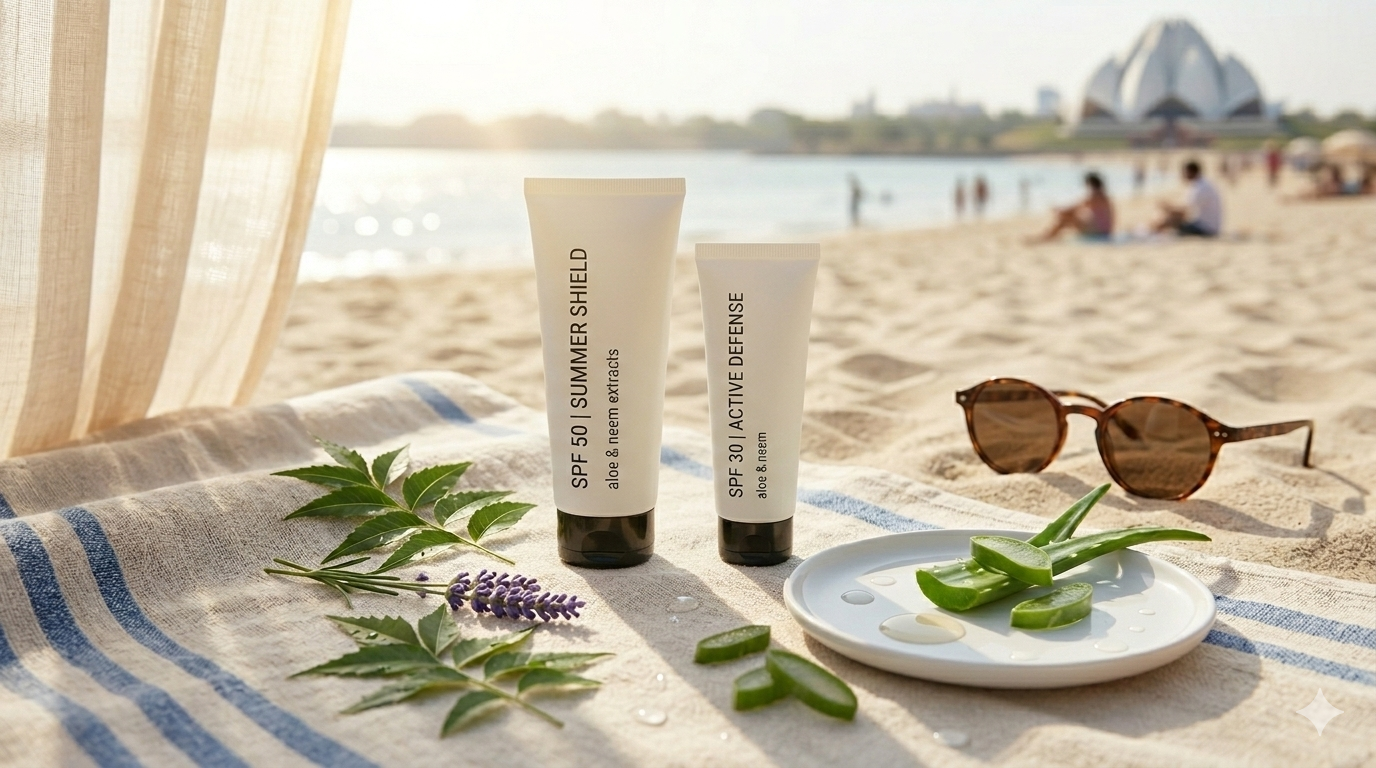
When it comes to protecting your skin from harmful sun rays, sunscreen is one of the most important skincare products you can use. But when you walk into a store or browse online, you’ll often find yourself stuck between two popular choices — SPF 30 and SPF 50.
Many people assume that SPF 50 offers double the protection of SPF 30, but that’s not exactly how sunscreen works. Understanding the difference can help you make the right choice for your skin and lifestyle.
In this guide, we’ll break down SPF 30 vs SPF 50, how they work, and which sunscreen may be better for you.
What Does SPF Mean?
SPF stands for Sun Protection Factor, which measures how well a sunscreen protects your skin from UVB rays. These rays are responsible for sunburn, skin damage, and increased risk of skin cancer.
The SPF number indicates how long sunscreen can theoretically protect your skin compared to not wearing sunscreen at all.
For example:
- SPF 30 blocks about 97% of UVB rays
- SPF 50 blocks about 98% of UVB rays
While SPF 50 offers slightly more protection, the difference is actually just about 1% more UVB protection.
SPF 30 Sunscreen: Benefits and Features
SPF 30 is one of the most commonly recommended sunscreens by dermatologists. It provides strong protection while remaining lightweight and comfortable for daily use.
Advantages of SPF 30
- Ideal for Daily Use
SPF 30 works perfectly for everyday activities such as commuting, walking, or running errands. - Lightweight Formula
Most SPF 30 sunscreens feel lighter on the skin and are less likely to clog pores. - Better for Oily and Acne-Prone Skin
People with oily skin often prefer SPF 30 because it absorbs faster and feels less greasy. - Affordable and Widely Available
SPF 30 sunscreens are usually more affordable and easier to find.
When SPF 30 Is Enough
SPF 30 is suitable when:
- You spend limited time outdoors
- You mostly stay indoors or in offices
- You are using sunscreen as part of your daily skincare routine
However, reapplication every two hours is still essential.
SPF 50 Sunscreen: Benefits and Features
SPF 50 sunscreen offers slightly stronger protection and is ideal for situations where your skin is exposed to intense sunlight.
Advantages of SPF 50
- Higher UV Protection
SPF 50 blocks about 98% of UVB rays, making it suitable for strong sun exposure. - Better for Sensitive Skin
People with fair or sensitive skin may benefit from the extra protection. - Ideal for Outdoor Activities
If you are spending long hours outdoors, SPF 50 provides better safety. - Helpful for High UV Index Areas
Regions with strong sunlight or tropical climates may require higher SPF protection.
When SPF 50 Is Recommended
SPF 50 is ideal if you:
- Spend long hours outdoors
- Travel frequently
- Go to beaches or mountains
- Participate in sports or outdoor activities
Even with SPF 50, reapplication is still necessary every two hours.
SPF 30 vs SPF 50: Key Differences
| Feature | SPF 30 | SPF 50 |
| UVB Protection | 97% | 98% |
| Best For | Daily use | Extended sun exposure |
| Skin Feel | Lightweight | Slightly thicker |
| Cost | Affordable | Slightly expensive |
| Reapplication | Every 2 hours | Every 2 hours |
The key takeaway here is that no sunscreen can block 100% of UV rays.
The Most Important Sunscreen Rule: Reapply
One of the biggest mistakes people make is applying sunscreen only once a day.
Sweat, water, and natural skin oils gradually reduce sunscreen effectiveness. Whether you use SPF 30 or SPF 50, you should:
- Reapply every 2 hours
- Reapply after swimming or sweating
- Apply sunscreen 15–20 minutes before sun exposure
How to Choose the Right Sunscreen
Instead of focusing only on SPF numbers, you should also look for these important features:
Broad Spectrum Protection
Choose sunscreens labeled Broad Spectrum, which protect against both UVA and UVB rays.
Water Resistance
If you sweat or swim frequently, choose a water-resistant sunscreen.
Skin Type Compatibility
- Oily Skin: Gel or matte sunscreen
- Dry Skin: Cream-based sunscreen
- Sensitive Skin: Mineral sunscreen with zinc oxide
Final Thoughts
When comparing SPF 30 vs SPF 50, the difference in protection is actually quite small — only about 1% more UVB protection.
For most people, SPF 30 is perfectly sufficient for everyday use if applied correctly and reapplied regularly. However, SPF 50 can provide extra reassurance during intense sun exposure or outdoor activities.
The best sunscreen is simply the one you use consistently every day. Pair it with protective habits like wearing sunglasses, hats, and seeking shade during peak sunlight hours.
Your skin will thank you for it.


Only wanna comment on few general things, The website style is perfect, the written content is very great : D.
I appreciate, cause I found just what I was looking for. You’ve ended my four day long hunt! God Bless you man. Have a nice day. Bye
Hi there! Do you use Twitter? I’d like to follow you if that would be ok. I’m undoubtedly enjoying your blog and look forward to new posts.
you have got a fantastic blog here! would you prefer to make some invite posts on my weblog?
I visited a lot of website but I believe this one holds something special in it in it
Thankyou for this post, I am a big fan of this site would like to keep updated.