
Essential Oils for Wellness in 2026: Daily Uses Backed by Experts
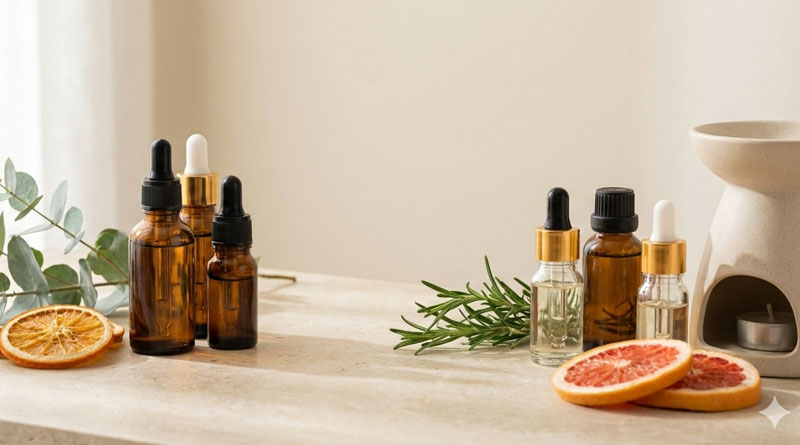
Natural wellness continues to evolve, but one trend remains stronger than ever—essential oils for wellness. In 2026, more people are turning to plant-based remedies to support relaxation, improve focus, ease stress, and create healthier daily routines.
While essential oils are not miracle cures, many wellness experts and aromatherapists agree that they can complement a healthy lifestyle when used correctly. Their popularity has also grown because people are looking for simple, natural ways to support their physical and emotional well-being.
So, which essential oils deserve a place in your home? Here’s everything you need to know.
What Are Essential Oils?
Essential oils are concentrated plant extracts obtained from flowers, leaves, bark, roots, seeds, and fruits. They contain the natural aroma and beneficial compounds of plants.
These oils are commonly used for:
- Aromatherapy
- Massage
- Home fragrance
- Skin care
- Stress management
- Sleep support
Experts recommend purchasing pure, high-quality essential oils from trusted brands to ensure safety and effectiveness.
Why Essential Oils Are Trending in 2026
Consumers today are focusing more on preventive wellness rather than waiting for health problems to develop.
Several lifestyle trends are driving the demand for essential oils:
- Growing interest in holistic wellness
- Increased work-from-home stress
- Better awareness of mental health
- Rise of natural home care products
- Social media wellness communities
People also appreciate that many essential oils can serve multiple purposes, making them a practical addition to everyday life.
Lavender Essential Oil for Better Sleep
Lavender remains one of the most recommended essential oils by wellness experts.
Daily Uses
- Diffuse before bedtime
- Add a few drops to pillow spray
- Mix with carrier oil for massage
- Create a calming evening routine
Many people report feeling more relaxed after using lavender during their nighttime routine.
Peppermint Essential Oil for Energy and Focus
Need an afternoon boost?
Peppermint essential oil is widely used to promote alertness and improve concentration.
Daily Uses
- Diffuse while working
- Add to a personal inhaler
- Mix with carrier oil for temples (avoid eyes)
- Freshen indoor spaces
Its refreshing scent makes it a popular choice during long workdays.
Tea Tree Essential Oil for Everyday Hygiene
Tea tree oil has long been valued for its cleansing properties.
People often use it for:
- Skin care routines
- Scalp care
- Cleaning household surfaces
- Freshening shoes and gym bags
Always dilute tea tree oil before applying it to the skin.
Eucalyptus Essential Oil for Breathing Comfort
Eucalyptus oil is commonly associated with refreshing breathing and spa-like relaxation.
Popular daily uses include:
- Steam inhalation
- Shower aromatherapy
- Diffusers
- Massage blends
Its cooling aroma is especially appreciated during seasonal weather changes.
Lemon Essential Oil for a Fresh Home
Lemon oil offers both an uplifting fragrance and practical household benefits.
You can use it to:
- Freshen kitchens
- Eliminate unpleasant odors
- Clean countertops
- Enhance homemade cleaning sprays
Its bright citrus scent instantly makes spaces feel cleaner and more inviting.
Frankincense Essential Oil for Mindfulness
Frankincense has been used for centuries in meditation and wellness practices.
Experts recommend it for:
- Meditation sessions
- Yoga routines
- Relaxation rituals
- Evening wind-down habits
Its earthy aroma creates a peaceful atmosphere that many people enjoy.
How Experts Recommend Using Essential Oils
According to aromatherapy professionals, moderation is key.
The safest ways include:
- Diffusing oils in well-ventilated rooms
- Mixing with carrier oils before skin application
- Following manufacturer dilution guidelines
- Performing a patch test before first use
- Keeping oils away from children and pets unless specifically approved
Remember, essential oils should never replace professional medical treatment.
Common Mistakes to Avoid
Many beginners unknowingly misuse essential oils.
Avoid these common mistakes:
- Applying undiluted oils directly to the skin
- Using excessive amounts
- Ingesting oils without medical supervision
- Ignoring allergy testing
- Purchasing low-quality synthetic oils
Using them responsibly ensures a safer and more enjoyable experience.
Final Thoughts
The popularity of essential oils for wellness shows no signs of slowing down in 2026. Whether you’re hoping to create a calming bedtime routine, improve focus while working, or make your home smell fresh, essential oils offer versatile options for everyday living.
The key is choosing high-quality products, using them safely, and maintaining realistic expectations. Combined with healthy habits like balanced nutrition, regular exercise, and adequate sleep, essential oils can become a valuable part of a modern wellness lifestyle.
Small daily rituals often create the biggest long-term benefits—and essential oils may be one simple way to make those moments more enjoyable.
Frequently Asked Questions
Q1 – Which essential oil is best for beginners?
Lavender is usually recommended because it is versatile, gentle when properly diluted, and suitable for relaxation.
Q2 – Can I use essential oils every day?
Yes, when used according to safety guidelines and appropriate dilution recommendations.
Q3 – Are essential oils safe for children?
Some oils may not be suitable for children. Always consult a healthcare professional before use.
Q4 – Do essential oils improve sleep?
Many people find lavender and chamomile helpful as part of a relaxing bedtime routine, although results vary from person to person.
Q5 – What’s the safest way to use essential oils?
Diffusing them or diluting them with a carrier oil before topical application is generally considered the safest approach.


