
US Midterm Election Results 2026: Top 10 Winners and Losers After a Historic Political Shift
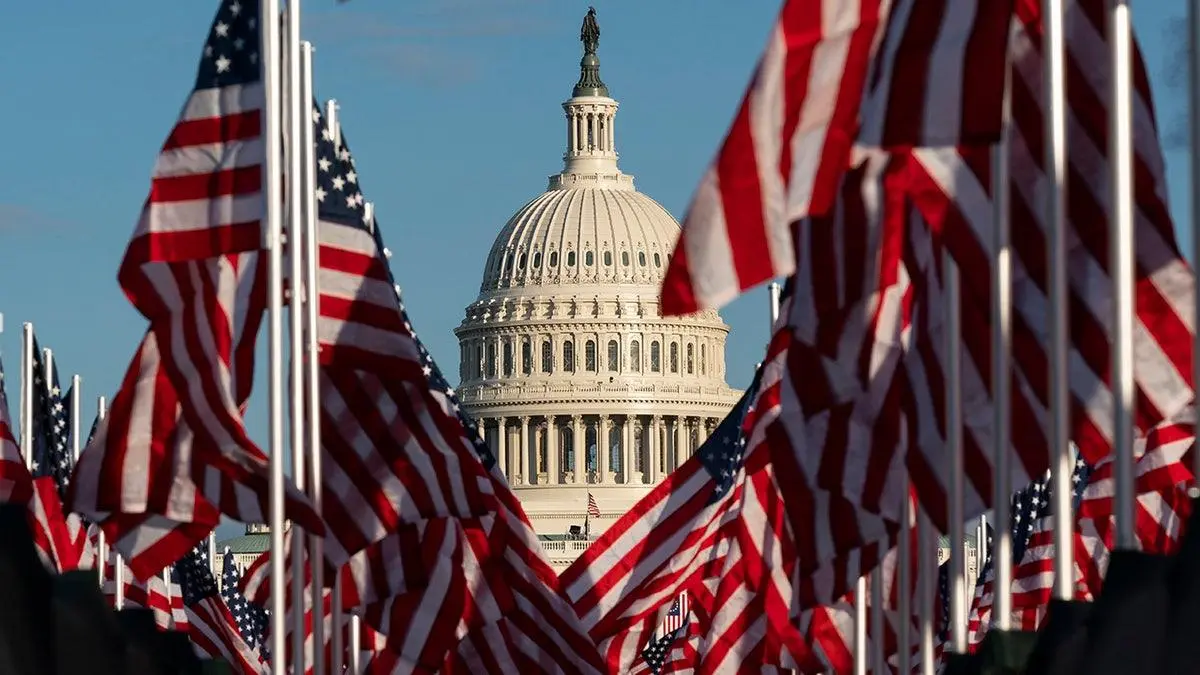
The 2026 US midterm elections have triggered a major political shake-up in Washington, with Democrats securing control of both chambers of Congress and delivering a significant setback to President Donald Trump and his Republican allies.
The results represent more than a routine midterm defeat for the party in power. Democratic victories in traditionally Republican states, gains in the House and Senate, and changes across several state governments point to a notable shift in America’s political landscape.
The outcome has also raised important questions about Trump’s influence, the Republican Party’s future, and the country’s foreign policy priorities. From Indian-American political representation to the future of US relations with India and Iran, the election could have implications far beyond Washington.
Here are the top 10 winners and losers of the 2026 US midterm elections, along with an additional look at the political challenges facing Pakistan’s leadership.

Winners of the 2026 US Midterm Elections
Democrats: The Biggest Winners of the Election
The Democratic Party emerged as the biggest winner of the 2026 US midterm elections, regaining control of both the House of Representatives and the Senate.
Victories in states such as Texas, Kansas, South Carolina, and Iowa were particularly significant, as these states had become challenging electoral territory for Democrats. The party also made gains in the Rust Belt and Great Plains, including Ohio, Michigan, and Minnesota.
Democrats reportedly strengthened their position among Latino voters and in rural constituencies, challenging some of the electoral gains Republicans had made during the Trump era.
Control of Congress gives Democrats greater influence over legislative committees, investigations, and government oversight. Their biggest challenge now will be turning this electoral success into a sustainable political coalition ahead of the 2028 presidential election.
Abdul El-Sayed: A Milestone for Muslim Representation
Abdul El-Sayed’s reported victory in Michigan stands out as one of the most significant individual outcomes of the election.
The 42-year-old physician and former public health official defeated Republican Mike Rogers, becoming the first Muslim elected to the US Senate, according to the supplied election account.
El-Sayed campaigned on progressive priorities, including universal healthcare, working-class economic policies, and restrictions on American military support for Israel.
His victory is significant for representation in American politics and the Democratic Party’s internal debate over foreign policy. It may also strengthen the progressive wing’s influence in discussions about the Middle East and America’s international commitments.
Indian-Americans: Growing Political Representation
Indian-Americans continued to strengthen their presence in American electoral politics, with reported victories at congressional and state levels.
Democrat Pia Dandiya won Florida’s 22nd Congressional District, while incumbent Suhas Subramanyam secured re-election in Virginia. Maryland Lieutenant Governor Aruna Miller also won another term alongside Governor Wes Moore.
These outcomes highlight the growing participation and visibility of Indian-American leaders in US politics.
Their influence extends beyond representation. Indian-American lawmakers can contribute to discussions involving immigration, education, technology, trade, and relations between India and the United States.
Iran: A More Challenging Environment for Trump’s Policy
Iran could emerge as a geopolitical beneficiary of the Democratic victory, particularly because the Trump administration’s handling of the conflict may face greater congressional scrutiny.
With Democrats controlling Congress, the White House could encounter stronger opposition during debates over military spending, funding, and the administration’s approach to the conflict.
However, congressional control does not give Iran the power to determine American military decisions. Trump retains significant executive authority, particularly as commander-in-chief.
The key change is political: congressional investigations, funding debates, and demands for accountability could increase the domestic pressure surrounding any further military escalation.
India: An Opportunity to Reassess Trade Relations
For India, the Democratic victory could create an opportunity to reassess its trade negotiations with Washington.
According to Ajay Srivastava, founder of the Global Trade Research Initiative (GTRI), a politically weakened Trump may seek a trade agreement with India as a way to demonstrate economic and diplomatic progress.
Although the change in congressional control is unlikely to automatically reverse America’s broader protectionist trade approach, it could create fresh opportunities for India to push for a more balanced agreement.
New Delhi will be watching developments involving tariffs, market access, supply chains, and strategic cooperation.
Losers of the 2026 US Midterm Election
Donald Trump: A Major Political Setback
Donald Trump is arguably the biggest political loser of the 2026 US midterm elections.
Republicans have lost control of both chambers of Congress, removing the legislative advantage that had helped the president pursue his agenda with less resistance.
Several candidates backed by Trump failed to secure victories, while Democrats made breakthroughs in traditionally conservative constituencies.
The consequences could be substantial. Democratic-controlled committees will have greater power to investigate government decisions, scrutinize spending, and demand information from administration officials.
Trump still retains executive authority, particularly in foreign policy and trade. However, passing legislation and advancing major domestic priorities will become more difficult.
The result also raises questions about whether Trump’s political appeal can continue to deliver victories for Republican candidates beyond his own presidential campaigns.
Elon Musk: Political Investment Under Scrutiny
Elon Musk’s substantial political investment did not deliver the Republican congressional victory he had supported.
The Tesla and SpaceX chief reportedly spent around $366 million on the 2026 midterm elections by October, making him one of the country’s biggest political donors.
His America PAC supported Republican candidates in several competitive races, including contests in Texas, Ohio, and Michigan.
However, some of those candidates lost. In Texas, Republican Ken Paxton was defeated by Democrat James Talarico, according to the supplied document.
Beyond the electoral setback, a Democratic-controlled House could bring greater scrutiny to federal contracts, regulatory decisions, and Musk’s previous involvement in government initiatives.
Vivek Ramaswamy: A Setback for a Rising Republican Leader
Vivek Ramaswamy’s reported defeat in Ohio represents a setback for one of the most recognizable younger figures associated with the Trump-aligned Republican movement.
Despite Trump’s backing and his national political profile, Ramaswamy lost the gubernatorial contest to Democrat Amy Acton, who became the first woman elected governor of Ohio.
Ramaswamy had presented himself as part of a new generation of Republican leadership, campaigning on themes associated with the MAGA movement and government reform.
His defeat raises questions about whether Trump’s political formula can be successfully transferred to younger candidates seeking office independently.
It could also complicate Ramaswamy’s future political ambitions.
JD Vance: An Uncertain Road to 2028
The midterm results could complicate JD Vance’s potential ambitions for the 2028 presidential election.
As vice president, Vance played a prominent role in defending Trump’s policies and campaigning for Republican candidates.
However, the Republican losses have exposed vulnerabilities in the political coalition he may eventually seek to inherit.
The setbacks in Ohio are particularly important. Ramaswamy’s gubernatorial defeat and Republican Jon Husted’s Senate loss represent a challenge in Vance’s home state.
Vance now faces the task of maintaining support among Trump’s core voters while building broader appeal among Americans who may not identify with the MAGA movement.
The Israel Lobby: Growing Challenges to Its Political Influence
The election has highlighted growing debate within American politics over US support for Israel, particularly within the Democratic Party.
Abdul El-Sayed’s reported victory in Michigan is an important example. His campaign opposed unconditional American military support for Israel, despite substantial spending by pro-Israel political groups against him.
According to campaign finance figures cited in the supplied document, the United Democracy Project, an AIPAC-affiliated super PAC, spent more than $30 million in the Michigan Democratic Senate primary, including over $20 million opposing El-Sayed.
His victory could strengthen progressive Democrats who argue that criticism of Israeli government policy and American military assistance does not necessarily make a candidate electorally unviable.
This does not mean that pro-Israel organizations have lost their political influence. However, the election may signal a more contested environment for their role in candidate selection and foreign-policy debates.
Bonus Losers: Asim Munir and Shehbaz Sharif
Pakistan’s leadership could also face a more complicated diplomatic environment following the Democratic takeover of Congress.
Prime Minister Shehbaz Sharif and army chief Asim Munir had invested in rebuilding Pakistan’s relationship with the Trump administration through closer engagement with the US president.
Islamabad had also sought cooperation with Washington on trade, minerals, and security while positioning itself as an important interlocutor in the Iran conflict.
Much of this diplomatic momentum was associated with Trump’s personal engagement and the administration’s regional priorities.
A Democratic-controlled Congress could now increase scrutiny of aspects of the relationship. Pakistan may therefore need to rely on broader institutional and diplomatic engagement rather than depending primarily on access to the White House.
What Do the 2026 US Midterm Results Mean for Global Politics?
The election results could reshape several areas of American domestic and international policy.
For Donald Trump, the Democratic takeover of Congress means greater legislative resistance and increased scrutiny of his administration. For India, the outcome could create opportunities for renewed discussions on trade and strategic cooperation.
Iran may face a different political environment as Congress debates military funding and accountability. Meanwhile, political leaders in Pakistan and other countries with close ties to the Trump administration will need to assess how the changing balance of power in Washington affects their diplomatic relationships.
The election could also influence the political calculations of both parties ahead of the 2028 presidential race.
Conclusion: A New Political Reality for Washington
The 2026 US midterm elections have produced a major shift in American politics. Democrats have regained control of Congress, while several prominent Republican figures and Trump-backed candidates have suffered significant setbacks.
The results also highlight the growing influence of diverse political voices, the importance of economic concerns, and the changing debate around America’s foreign-policy priorities.
For Trump, the challenge will be governing without a Republican-controlled Congress. For Democrats, the responsibility will be turning their electoral success into effective leadership.
The consequences will extend beyond Washington, with India, Iran, Pakistan, and other international partners closely watching what happens next.
The biggest question now is whether this Democratic wave represents a temporary midterm reaction or the beginning of a longer-lasting transformation in American politics.


