
Meet Hemoprova Chutia: The Woman Who Wove Sacred Texts into Fabric
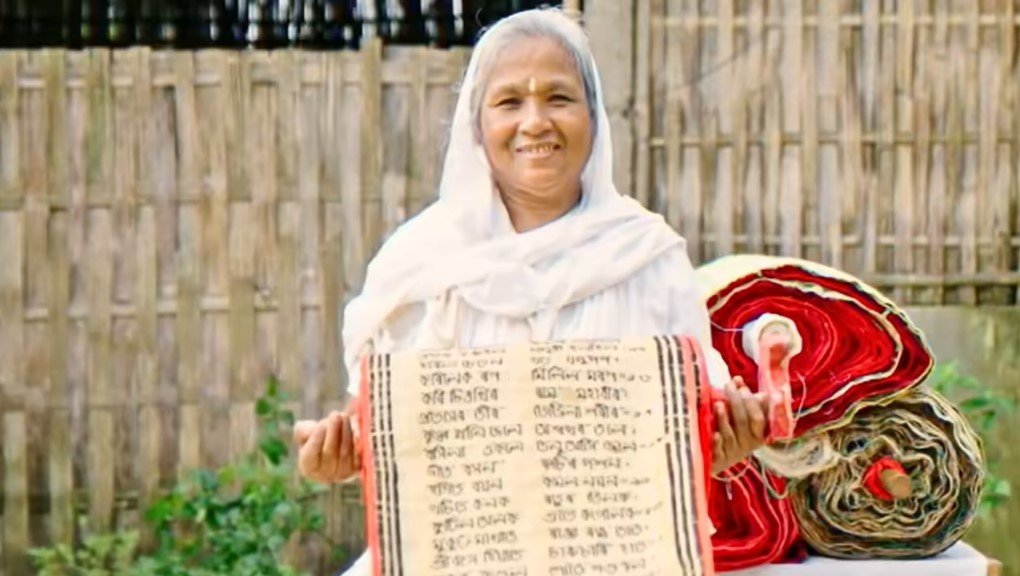
Some people preserve history by writing books. Others protect traditions through music or art. But Hemoprova Chutia chose an extraordinary path—she wove sacred texts directly into fabric.
Her work is more than textile craftsmanship. It is a remarkable blend of spirituality, culture, literature, and traditional Assamese weaving. Through years of dedication, she demonstrated that handloom weaving can tell stories, preserve scriptures, and inspire future generations.
Today, her creations continue to amaze textile enthusiasts, historians, and art lovers across India. Let’s explore the inspiring story of Hemoprova Chutia and understand why her legacy remains so significant.
Who Was Hemoprova Chutia?
Hemoprova Chutia was a celebrated handloom artist from Assam who became widely known for weaving sacred scriptures into traditional textiles.
Born into a culture where weaving was an integral part of everyday life, she learned the art from an early age. Like many women in Assam, weaving was not merely a skill—it was an expression of identity, tradition, and devotion.
However, Hemoprova Chutia envisioned something beyond decorative patterns. She wanted her loom to become a medium for preserving spirituality and literature.
That vision eventually made her one of India’s most respected textile artisans.
A Unique Vision: Weaving Sacred Texts
What made Hemoprova Chutia truly exceptional was her ability to weave verses from sacred texts directly into cloth.
Instead of limiting herself to floral or geometric motifs, she carefully incorporated religious writings into intricate woven designs. Every thread reflected patience, devotion, and extraordinary technical skill.
Creating such textiles required the following:
- Precise planning
- Exceptional weaving expertise
- Perfect thread alignment
- Deep knowledge of Assamese weaving traditions
- Incredible attention to detail
Even a minor error could disrupt the entire design, making each creation a remarkable achievement.
Preserving Assam’s Rich Textile Heritage
Assam has long been famous for its beautiful handwoven textiles.
Traditional fabrics like Muga silk, Eri silk, and cotton weaving have been passed down through generations. Hemoprova Chutia played an important role in ensuring these traditions remained relevant in modern times.
Rather than allowing traditional weaving to fade, she demonstrated that heritage crafts could evolve while preserving their authenticity.
Her work inspired countless artisans to view weaving as more than a livelihood—it became a form of cultural storytelling.
Where Spirituality Meets Art
One of the most fascinating aspects of Hemoprova Chutia’s work is the seamless connection between faith and craftsmanship.
Her woven fabrics were not simply decorative pieces. They carried messages of devotion, wisdom, and cultural pride.
Every completed textile represented:
- Spiritual dedication
- Artistic excellence
- Cultural preservation
- Traditional craftsmanship
- Literary expression
This rare combination transformed ordinary handwoven cloth into meaningful works of art.
The Skill Behind Every Thread
Anyone who has tried hand weaving understands how demanding the craft can be.
Now imagine weaving complete scriptural passages into fabric.
The level of concentration required is extraordinary.
Each project demanded:
- Months of preparation
- Careful thread counting
- Consistent weaving tension
- Error-free execution
- Remarkable patience
These qualities earned Hemoprova Chutia immense admiration within India’s handloom community.
Inspiring Future Generations
Hemoprova Chutia’s legacy extends far beyond her woven masterpieces.
She demonstrated that traditional crafts can coexist with innovation.
At a time when machine-made textiles dominate the market, her work reminds us that handmade creations carry stories, emotions, and cultural identity that machines simply cannot replicate.
Young artisans continue to draw inspiration from her commitment to excellence and her determination to preserve Assamese traditions.
Her journey encourages today’s creators to respect heritage while exploring new artistic possibilities.
Lessons We Can Learn from Hemoprova Chutia
Her inspiring journey offers valuable lessons for everyone:
- Innovation can exist within tradition.
- Cultural heritage deserves preservation.
- Patience produces extraordinary results.
- Art becomes timeless when it carries meaning.
- Passion transforms ordinary skills into lasting legacies.
These lessons continue to inspire artists, designers, historians, and craft enthusiasts across India.
Final Thoughts
The story of Hemoprova Chutia is a powerful reminder that creativity has no limits.
By weaving sacred texts into fabric, she transformed the humble handloom into a canvas of devotion, literature, and cultural preservation. Her remarkable craftsmanship continues to inspire admiration among textile experts and lovers of Indian heritage alike.
As India celebrates its rich handloom traditions, Hemoprova Chutia’s legacy stands as a shining example of how one individual’s dedication can preserve history for generations to come.
Whether you are passionate about textiles, traditional crafts, or inspiring stories of innovation, Hemoprova Chutia’s journey deserves to be remembered and celebrated.
Frequently Asked Questions (FAQs)
Q1 – Who was Hemoprova Chutia?
Hemoprova Chutia was an acclaimed Assamese textile artist known for weaving sacred scriptures into traditional handwoven fabrics.
Q2 – Why is Hemoprova Chutia famous?
She gained recognition for combining traditional Assamese weaving techniques with sacred texts, creating unique cultural and artistic masterpieces.
Q3 – What made her work unique?
Unlike conventional weaving, she incorporated scriptural verses directly into textiles, showcasing exceptional craftsmanship and devotion.
Q4 – Why is her legacy important?
Her work helped preserve Assam’s weaving traditions while demonstrating how traditional craftsmanship can evolve through creativity and innovation.


