
Magnesium Superfoods: 8 Vegetables You Should Eat Every Week
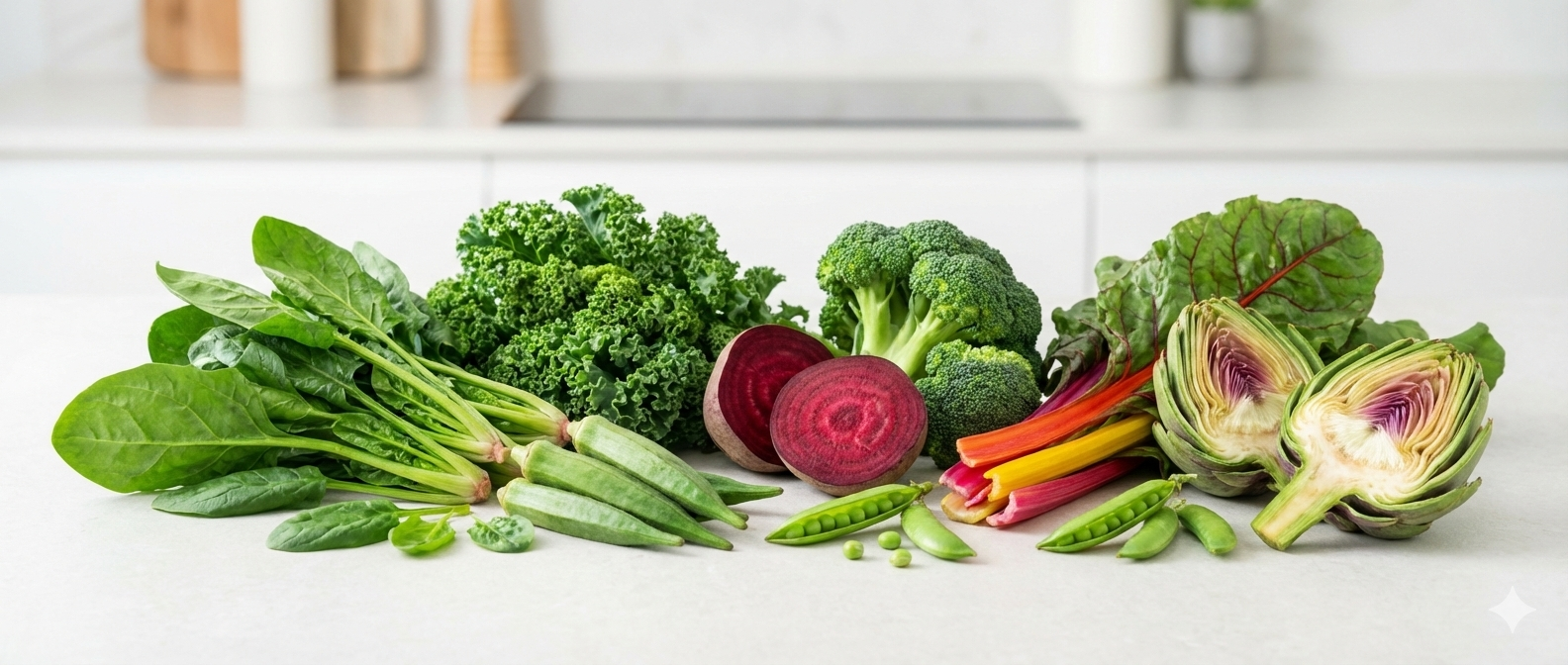
Magnesium may not get as much attention as protein or vitamin C, but this quiet mineral plays a powerful role in keeping your body healthy. From supporting muscle function and nerve health to improving sleep and boosting energy levels, magnesium is truly essential. The good news? You don’t need supplements if your diet is right. Many everyday vegetables are packed with magnesium—and adding them to your weekly meals is easier than you think.
Let’s explore 8 magnesium-rich vegetables you should eat every week to support overall wellness, naturally.
Why Magnesium Matters More Than You Think
Magnesium is involved in over 300 biochemical reactions in the body. It helps regulate blood pressure, supports bone health, improves digestion, and even plays a role in managing stress and anxiety. Low magnesium levels can lead to fatigue, muscle cramps, headaches, and poor sleep.
Including magnesium-rich vegetables in your diet is one of the simplest and cleanest ways to meet your daily requirements—without relying on pills.
1. Spinach – The Magnesium Powerhouse
Spinach tops the list when it comes to magnesium-rich vegetables. Just one cup of cooked spinach provides a significant portion of your daily magnesium needs.
Why eat it:
Spinach supports muscle recovery, improves digestion, and promotes heart health.
How to add it:
Blend it into smoothies, toss it into dals, or sauté it lightly with garlic.
2. Swiss Chard – A Nutrient-Dense Green
Swiss chard is not only rich in magnesium but also loaded with potassium and iron. Its slightly bitter taste pairs well with Indian spices.
Why eat it:
Great for bone health, blood circulation, and reducing inflammation.
How to add it:
Use it like palak in curries or stir-fry with onions and spices.
3. Okra (Bhindi) – The Indian Kitchen Staple
Okra is often underrated, but it’s a solid source of magnesium and dietary fiber.
Why eat it:
Supports gut health, regulates blood sugar, and keeps you full longer.
How to add it:
Simple bhindi sabzi, air-fried okra, or added to curries.
4. Broccoli – Small Florets, Big Benefits
Broccoli offers a good dose of magnesium along with antioxidants and vitamin C.
Why eat it:
Strengthens immunity, supports digestion, and helps detox the body.
How to add it:
Steam lightly, add to stir-fries, or roast with olive oil and spices.
5. Kale – The Superfood Leafy Green
Kale is often called a superfood—and for good reason. It contains magnesium along with calcium and vitamin K.
Why eat it:
Supports bone health, heart function, and metabolism.
How to add it:
Use in salads, smoothies, or lightly sautéed as a side dish.
6. Pumpkin – More Than Just a Festive Vegetable
Pumpkin is surprisingly rich in magnesium and antioxidants like beta-carotene.
Why eat it:
Good for skin health, digestion, and immune support.
How to add it:
Cook as sabzi, add to soups, or make pumpkin curry.
7. Green Beans – Light, Crunchy, and Healthy
Green beans may look simple, but they offer a steady supply of magnesium and fiber.
Why eat it:
Supports heart health and helps maintain stable energy levels.
How to add it:
Stir-fry with mustard seeds or add to mixed vegetable dishes.
8. Beetroot – The Colorful Magnesium Booster
Beetroot is not just good for blood—it’s also a magnesium-rich vegetable that boosts stamina.
Why eat it:
Improves blood circulation, supports detox, and enhances workout performance.
How to add it:
Roast it, juice it, or add grated beetroot to salads.
How to Maximize Magnesium Absorption
To get the most out of magnesium-rich vegetables:
- Avoid overcooking, especially leafy greens
- Pair them with healthy fats like olive oil or ghee
- Eat a variety of vegetables instead of relying on just one
Consistency matters more than quantity. Eating these vegetables weekly can make a noticeable difference in your energy and overall health.
Final Thoughts
Magnesium is one of those nutrients your body quietly depends on every single day. By including these 8 magnesium superfoods in your weekly meals, you’re not just eating vegetables—you’re investing in better sleep, stronger muscles, improved digestion, and long-term wellness.
Small food choices today can lead to big health benefits tomorrow. Start with one vegetable this week and build from there.


