
Best Fruits for Diabetes: What to Eat Without Spiking Blood Sugar
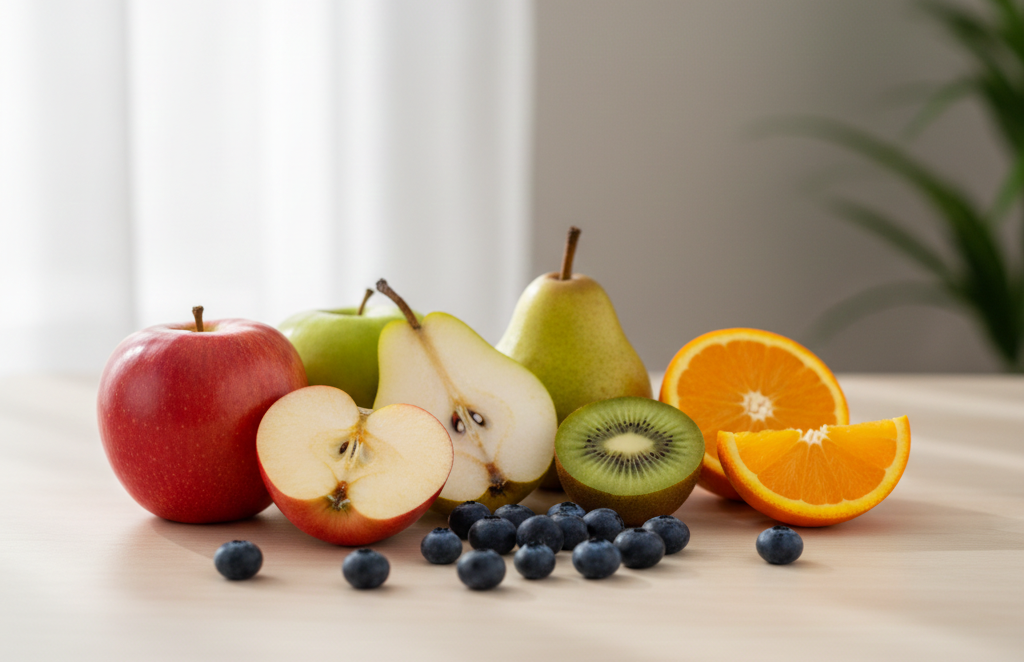
Living with diabetes doesn’t mean giving up fruits. In fact, the right fruits can support your health, satisfy sweet cravings, and even help manage blood sugar levels. The key lies in choosing wisely and understanding how different fruits affect your body.
If you’ve ever wondered, “Which fruits are safe for diabetes?” — this guide is for you. Let’s explore the best fruits for diabetes that won’t cause sudden blood sugar spikes.
Can People with Diabetes Eat Fruits?
Yes — absolutely.
Fruits contain natural sugars, mainly fructose, but they also provide fiber, antioxidants, vitamins, and minerals. The fiber content slows down sugar absorption, preventing sharp glucose spikes. The trick is to focus on:
- Low glycemic index (GI) fruits
- High-fiber fruits
- Whole fruits instead of juices
- Controlled portion sizes
Now, let’s dive into the best options.
Apples – A Fiber-Rich Powerhouse
“An apple a day” might actually help keep blood sugar stable.
Apples are rich in soluble fiber, especially pectin, which slows digestion and glucose absorption. They also contain antioxidants that may reduce inflammation — a common issue in diabetes.
Why apples are good for diabetes:
- Low to moderate GI
- High fiber
- Supports gut health
Tip: Eat apples with the skin on for maximum fiber.
Berries – Nature’s Sweet Superfood
Berries are among the safest fruits for diabetics. Strawberries, blueberries, and raspberries are low in sugar compared to many other fruits.
For example, Blueberries are packed with antioxidants called anthocyanins, which may improve insulin sensitivity.
Best berry options:
- Strawberries
- Blueberries
- Raspberries
- Blackberries
They’re perfect for breakfast bowls, smoothies (without added sugar), or a quick snack.
Guava – A Diabetic-Friendly Indian Favorite
Guava is one of the best fruits for diabetes, especially popular in India. It’s low in sugar and high in fiber, making it ideal for blood sugar control.
Benefits of guava:
- High vitamin C
- Rich in dietary fiber
- Low glycemic load
Tip: Eat it without salt or sugar toppings to keep it healthy.
Papaya – Gentle on Blood Sugar
Papaya is naturally sweet but surprisingly safe when eaten in moderation. It contains antioxidants and fiber that help regulate glucose levels.
Many people with diabetes avoid sweet-tasting fruits, but papaya’s glycemic impact is relatively low when portion-controlled.
Stick to 1 cup of fresh papaya cubes for a balanced serving.
Pears – Slow and Steady Energy
Pears are another excellent choice due to their high fiber content. They digest slowly, preventing blood sugar spikes.
Like apples, eat pears with the skin for added benefits.
Oranges – Whole, Not Juiced
Citrus fruits are generally safe for diabetics, especially when eaten whole.
An orange contains fiber and vitamin C, but orange juice? Not so much. Juicing removes fiber and causes rapid sugar absorption.
Choose whole oranges over packaged juices every time.
Kiwi – Small but Powerful
Kiwi has a low glycemic index and is rich in vitamin C and potassium. Its fiber helps regulate glucose absorption.
One or two kiwis can make a refreshing, diabetes-friendly snack.
Fruits to Limit (Not Completely Avoid)
While fruits are healthy, some are higher in natural sugars and should be eaten cautiously:
- Mangoes
- Grapes
- Bananas (especially overripe)
- Chikoo (Sapota)
You don’t need to eliminate them entirely — just watch portion sizes.
Smart Tips for Eating Fruits with Diabetes
To enjoy fruits without worrying about blood sugar spikes, follow these practical tips:
- Pair with Protein or Nuts
Combine fruit with almonds, walnuts, or Greek yogurt to slow sugar absorption. - Avoid Fruit Juices
Juices remove fiber and spike blood sugar quickly. - Watch Portions
Even healthy fruits can increase glucose levels if eaten in excess. - Spread Throughout the Day
Instead of eating large fruit servings at once, distribute them in small portions.
Final Thoughts
Managing diabetes doesn’t mean eliminating sweetness from your life. The right fruits — eaten mindfully — can nourish your body while keeping blood sugar stable.
Focus on whole, fiber-rich, low glycemic fruits like apples, berries, guava, and pears. Avoid juices and oversized portions. And most importantly, listen to your body.
A balanced diet, regular exercise, and mindful eating habits can make a huge difference in long-term diabetes management.
Stay informed, stay healthy, and keep coming back to Trending Stories for practical health insights that truly matter.


