
Kakanmath Temple: The Mysterious Hanging Temple of India Explained
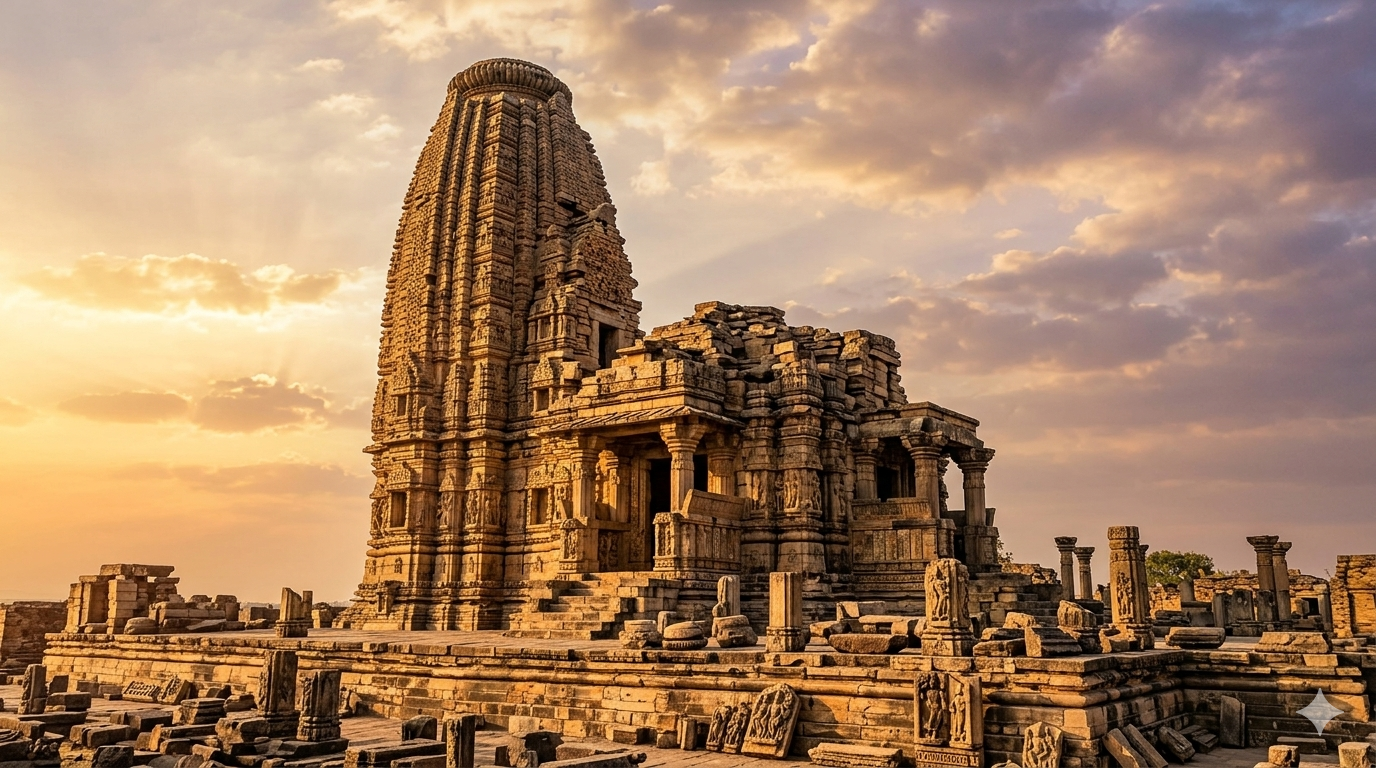
Hidden in the heart of Madhya Pradesh lies a temple that continues to puzzle historians, architects, and travelers alike. The Kakanmath Temple is not just another ancient monument—it’s a mystery carved in stone. Known as the “hanging temple of India,” this architectural marvel stands tall despite appearing as if it could collapse at any moment. So, what makes this temple so intriguing? Let’s uncover the story behind this fascinating wonder.
Enigma of Kakanmath Temple
Located in the Morena district of Madhya Pradesh, the Kakanmath Temple dates back to the 11th century. It was built during the reign of the Kachchhapaghata dynasty, believed to be under King Kirti Raja. Dedicated to Lord Shiva, the temple showcases a stunning example of ancient Indian craftsmanship.
What immediately captures attention is its unusual construction. The temple appears to be made of loosely stacked stones—without any binding material like cement or mortar. Yet, it has withstood centuries of natural forces, including storms and earthquakes.
Why Is It Called the “Hanging Temple”?
The nickname “hanging temple” comes from the temple’s unique architectural style. The stones used in its construction seem to be perfectly balanced on top of one another without any adhesive. This gives the illusion that the structure is suspended or “hanging” in place.
Even more astonishing is that while the main structure still stands, the outer sections of the temple have crumbled over time. This has led many to believe that the core design is held together by some unknown ancient technique—or perhaps something more mysterious.
Science Behind the Structure
While legends and myths surround the temple, experts suggest a more logical explanation. The stones used in the temple are precisely cut and placed using a technique known as interlocking construction. This method ensures stability without the need for mortar.
Additionally, the weight distribution and balance of the stones play a crucial role in keeping the structure intact. Ancient Indian architects were known for their deep understanding of physics and geometry, which is evident in structures like the Kakanmath Temple.
Myths and Local Legends
Like many ancient sites in India, the Kakanmath Temple is surrounded by folklore. One popular belief is that the temple was built overnight by ghosts or supernatural beings. According to locals, construction would stop at sunrise, leaving the temple incomplete.
Another legend suggests that the stones were brought from distant locations by mystical forces, as no similar stones are found nearby. These stories add an extra layer of intrigue, making the temple even more fascinating for visitors.
A Photographer’s Paradise
If you’re someone who loves history, architecture, or photography, Kakanmath Temple is a must-visit. The temple’s weathered structure, set against open landscapes, creates a dramatic and hauntingly beautiful scene.
Sunrise and sunset are the best times to visit, as the soft lighting enhances the textures of the ancient stones. For travel bloggers and Instagram enthusiasts, this location offers a perfect blend of mystery and visual appeal.
Best Time to Visit
The ideal time to explore Kakanmath Temple is between October and March, when the weather is pleasant. Summers in Madhya Pradesh can be extremely hot, making travel uncomfortable.
Final Thoughts
The mystery of Kakanmath Temple continues to captivate people from around the world. Is it a masterpiece of ancient engineering, or does it hold secrets yet to be discovered? Perhaps that’s what makes it so special—the unanswered questions.
If you’re looking to explore something beyond the usual tourist spots, Kakanmath Temple should definitely be on your list. It’s not just a place you visit—it’s a story you experience.


Hi my family member! I want to say that this article is awesome, great written and include approximately all vital infos. I would like to peer more posts like this .
I got what you intend,saved to fav, very nice website .
Really wonderful info can be found on site.