
How to Make a Healthy Salad: A Complete Beginner’s Guide
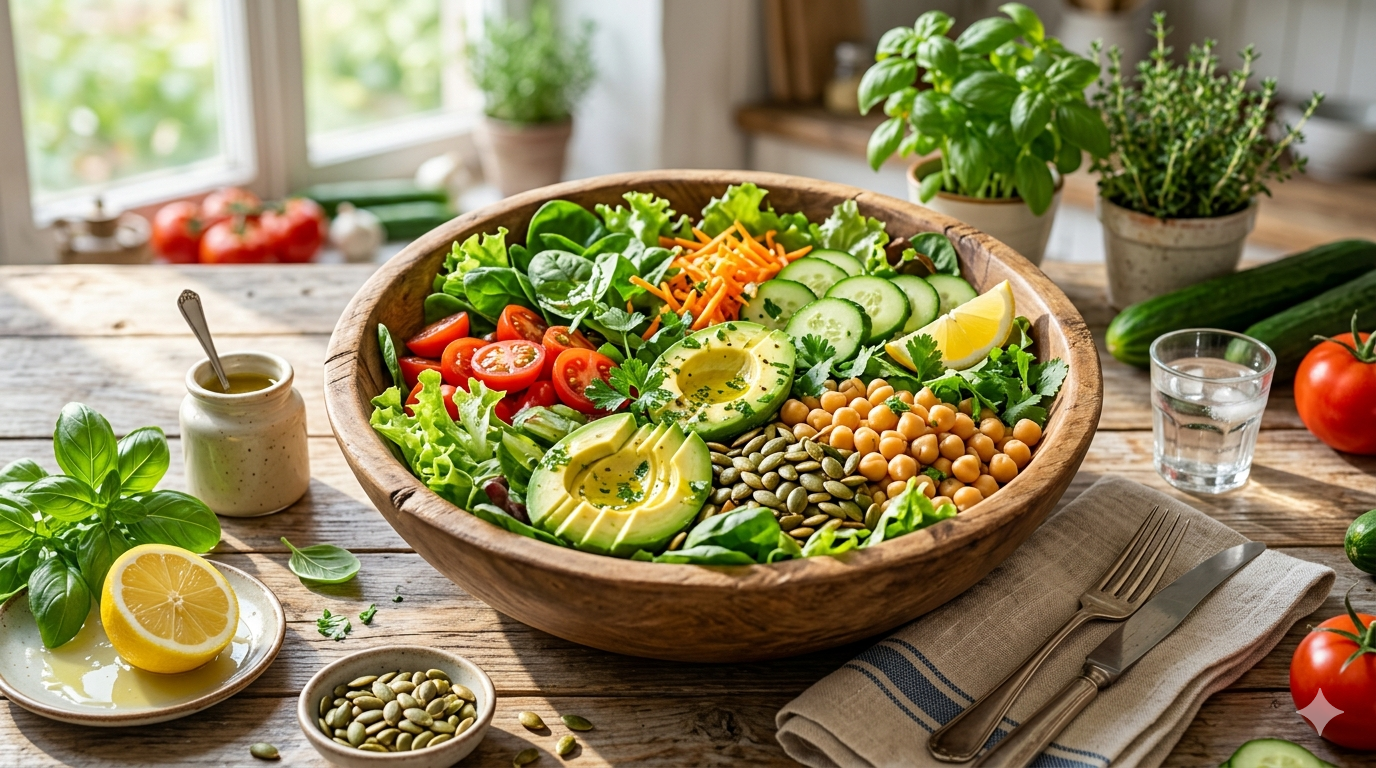
Eating healthy doesn’t have to be complicated. In fact, one of the easiest ways to improve your diet is by adding a healthy salad to your daily meals. Salads are packed with vitamins, minerals, fiber, and antioxidants that help your body stay energized and strong.
But if you’re new to making salads, you might wonder: What ingredients should I use? How do I make a salad that actually tastes good? The good news is that creating a delicious and nutritious salad is simpler than you think.
In this complete beginner’s guide, you’ll learn how to make a healthy salad from scratch, choose the right ingredients, and avoid common mistakes.
Why Healthy Salads Are Good for You
A well-made salad is much more than a bowl of vegetables. It can provide essential nutrients while helping you:
- Maintain a healthy weight
- Improve digestion
- Boost immunity
- Increase daily vegetable intake
- Stay hydrated
- Support heart health
The best part? You can customize a salad according to your taste preferences and dietary needs.
Step 1: Start with Fresh Greens
Every great salad begins with a healthy base. Leafy greens provide fiber and important nutrients while keeping calories low.
Popular salad greens include:
- Lettuce
- Spinach
- Kale
- Arugula
- Romaine lettuce
- Mixed greens
If you’re a beginner, start with romaine lettuce or spinach because they have a mild flavor and pair well with most ingredients.
Step 2: Add Colorful Vegetables
The more colors you add, the more nutrients your salad will contain. Different vegetables provide different vitamins and minerals.
Try adding:
- Tomatoes
- Cucumbers
- Carrots
- Bell peppers
- Red onions
- Radishes
- Cabbage
- Beetroot
A colorful salad not only looks attractive but also delivers a wider range of health benefits.
Step 3: Include a Protein Source
Protein helps keep you full for longer and supports muscle health. Adding protein transforms a simple salad into a complete meal.
Healthy protein options include:
- Grilled chicken
- Boiled eggs
- Chickpeas
- Kidney beans
- Lentils
- Tofu
- Paneer
- Quinoa
Vegetarians can easily create protein-rich salads using legumes, paneer, and tofu.
Step 4: Add Healthy Fats
Many people skip fats when making salads, but healthy fats help your body absorb vitamins and keep you satisfied.
Consider adding:
- Avocado
- Nuts
- Almonds
- Walnuts
- Pumpkin seeds
- Sunflower seeds
- Chia seeds
Just a small amount can improve both nutrition and flavor.
Step 5: Choose a Healthy Dressing
A healthy dressing can make your salad taste amazing. Unfortunately, many store-bought dressings contain excess sugar, preservatives, and unhealthy fats.
Simple homemade salad dressing ideas include:
- Lemon Dressing
- 2 tablespoons lemon juice
- 1 tablespoon olive oil
- Pinch of black pepper
- Pinch of salt
- Yogurt Dressing
- 2 tablespoons plain yogurt
- 1 teaspoon lemon juice
- Fresh herbs
- Black pepper
These options are light, flavorful, and nutritious.
Easy Healthy Salad Recipe for Beginners
Here’s a quick and simple salad recipe anyone can make.
Ingredients
- 1 cup chopped lettuce
- 1 cucumber, sliced
- 1 tomato, diced
- 1 grated carrot
- ½ cup boiled chickpeas
- 1 tablespoon pumpkin seeds
- 1 tablespoon olive oil
- Juice of half a lemon
- Salt and pepper to taste
Instructions
- Wash and prepare all vegetables.
- Combine lettuce, cucumber, tomato, and carrot in a large bowl.
- Add boiled chickpeas and pumpkin seeds.
- Mix olive oil, lemon juice, salt, and pepper separately.
- Pour dressing over the salad and toss gently.
- Serve immediately and enjoy.
This healthy salad recipe is rich in fiber, protein, and essential nutrients.
Tips for Making Salads More Enjoyable
If you’ve tried salads before and didn’t enjoy them, these tips can help:
- Mix crunchy and soft textures.
- Add fresh herbs for flavor.
- Use seasonal vegetables.
- Experiment with different dressings.
- Include fruits like apples, oranges, or pomegranate seeds.
- Prepare ingredients in advance for convenience.
A tasty salad is one you’ll actually want to eat regularly.
Final Thoughts
Learning how to make a healthy salad is one of the simplest steps you can take toward better health. With fresh greens, colorful vegetables, protein, healthy fats, and a light dressing, you can create meals that are both nutritious and delicious.
The beauty of salads lies in their flexibility. There are no strict rules—just choose wholesome ingredients, mix them together, and enjoy. Whether you’re looking to eat healthier, lose weight, or simply add more vegetables to your diet, a healthy salad can be the perfect place to start.
Start experimenting today, and you might be surprised at how enjoyable healthy eating can be.
FAQs
- What is the healthiest ingredient to add to a salad?
Leafy greens like spinach and kale are among the most nutrient-dense ingredients you can add. - Can I eat salad every day?
Yes. Eating a balanced salad daily can help increase nutrient intake and support overall health. - What protein is best for salads?
Grilled chicken, eggs, chickpeas, lentils, tofu, and paneer are excellent protein options. - Is salad good for weight loss?
A nutrient-rich salad can support weight loss by keeping you full while providing fewer calories than many processed foods.


I adore reading and I think this website got some truly useful stuff on it! .