
Vaisakhi: History, Significance & Celebrations Explained
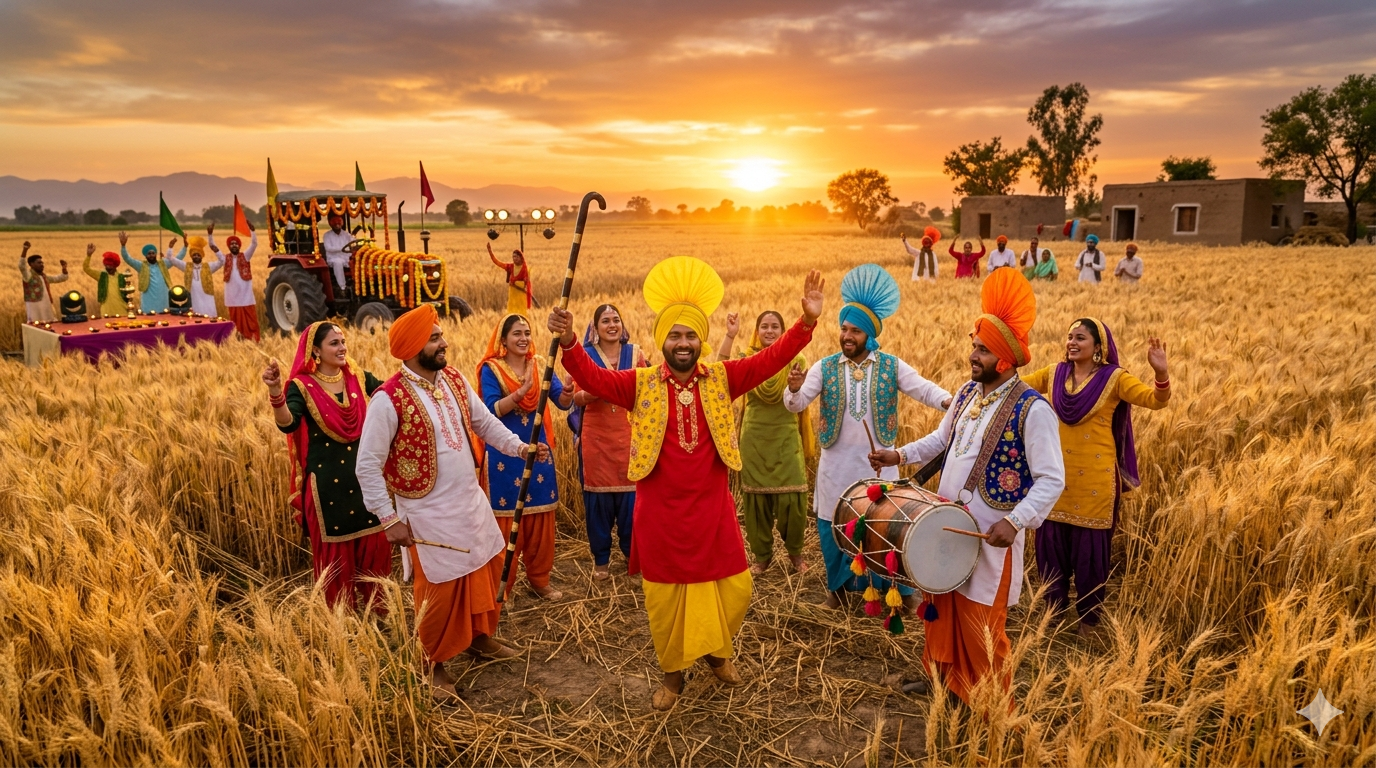
Every year, as the golden wheat fields sway in the breeze and the festive spirit fills the air, India gears up to celebrate one of its most vibrant festivals—Vaisakhi. Marking the harvest season and holding deep religious importance, especially in Punjab, Vaisakhi is much more than just a festival—it’s a celebration of life, gratitude, and unity.
Let’s dive into the rich history, cultural importance, and lively celebrations that make Vaisakhi so special.
The History of Vaisakhi
Vaisakhi, also known as Baisakhi, is traditionally celebrated on April 13 or 14 every year. Its origins are rooted in both agriculture and spirituality.
For farmers, Vaisakhi marks the harvest of the Rabi crops, especially wheat. It’s a time when months of hard work finally pay off, and the fields are ready for harvest. Naturally, this brings joy, prosperity, and a reason to celebrate.
However, Vaisakhi holds even deeper significance in Sikh history. In 1699, the tenth Sikh Guru, Guru Gobind Singh, established the Khalsa Panth during a grand gathering at Anandpur Sahib. This event transformed the Sikh community into a unified, disciplined, and spiritually awakened group committed to justice and equality.
This historic moment is remembered as a turning point in Sikhism, making Vaisakhi a sacred and powerful day for millions.
Religious Significance of Vaisakhi
For Sikhs, Vaisakhi is not just a harvest festival—it’s a day of identity, faith, and courage.
The formation of the Khalsa introduced the “Five Ks” (Kesh, Kara, Kanga, Kirpan, and Kachera), which represent discipline and commitment to Sikh values. Devotees visit Golden Temple and other Gurudwaras to offer prayers, listen to hymns (kirtans), and participate in community service (langar).
Vaisakhi also symbolizes:
- Equality and brotherhood
- Spiritual awakening
- Standing against injustice
It reminds people to live with honesty, courage, and compassion.
How Vaisakhi is Celebrated
The celebrations of Vaisakhi are colorful, energetic, and full of life—especially in northern India.
- Gurudwara Visits
The day begins with early morning prayers at Gurudwaras. Devotees gather to seek blessings, listen to Gurbani, and take part in langar—a free community meal served to all, regardless of caste, religion, or background. - Nagar Kirtans
Processions called Nagar Kirtans are organized, where devotees sing devotional songs and carry the Sikh holy book, Guru Granth Sahib, through the streets. These processions are led by the Panj Pyare (the five beloved ones), representing the first members of the Khalsa. - Traditional Dance & Music
No Vaisakhi celebration is complete without music and dance. Men perform Bhangra, while women perform Gidda, both of which are energetic folk dances reflecting joy and gratitude. - Fairs & Festivities
Village fairs, known as “melas,” are organized with food stalls, games, and cultural performances. It’s a time for families and communities to come together and celebrate. - Delicious Food
From makki di roti and sarson da saag to sweet treats like kheer and jalebi, food plays a big role in Vaisakhi celebrations. The aroma of traditional Punjabi dishes adds to the festive vibe.
Vaisakhi Across India
While Vaisakhi is most prominently celebrated in Punjab, different regions of India observe the day in their own unique ways:
- In Haryana and Uttar Pradesh, it marks the harvest festival.
- In West Bengal, it coincides with Poila Boishakh, the Bengali New Year.
- In Assam, it aligns with Bohag Bihu, another harvest celebration.
- In Kerala, it is celebrated as Vishu.
This diversity shows how deeply agriculture and seasonal cycles are woven into India’s cultural fabric.
Why Vaisakhi Matters Today
In today’s fast-paced world, festivals like Vaisakhi remind us to pause and appreciate the simple joys of life—hard work, community, and gratitude.
It teaches us:
- The importance of unity in diversity
- Respect for farmers and their contribution
- The value of faith and resilience
Whether you’re celebrating for its religious meaning or cultural joy, Vaisakhi brings people together in a spirit of happiness and togetherness.
Conclusion
Vaisakhi is not just a festival—it’s an emotion that celebrates prosperity, faith, and community spirit. From its historical roots in Sikhism to its agricultural significance, it continues to hold a special place in millions of hearts.
So, whether you’re dancing to the beats of Bhangra, enjoying festive delicacies, or simply soaking in the vibrant atmosphere, Vaisakhi is a perfect reminder to celebrate life and be grateful for its blessings.


Very interesting topic, thank you for putting up.